
Online Stores Caught Faking Scarcity: A Reality Check on Urgency Tricks
Ever glanced at a product page and felt the urge to buy it right away, thanks to a blinking countdown timer or a bold “Only 3 left in stock” warning? You’re not alone. But what if those cues were completely made up?
Singapore’s competition and consumer watchdog recently scrutinised three online retailers after spotting questionable website features. Those features are sometimes called “dark patterns” – subtle design tricks that can steer people toward purchases they might not otherwise make. In this case, the regulator found that all three companies had been displaying fake visitor counts, fabricated countdown timers and false discount claims to create a sense of urgency that simply didn’t exist.
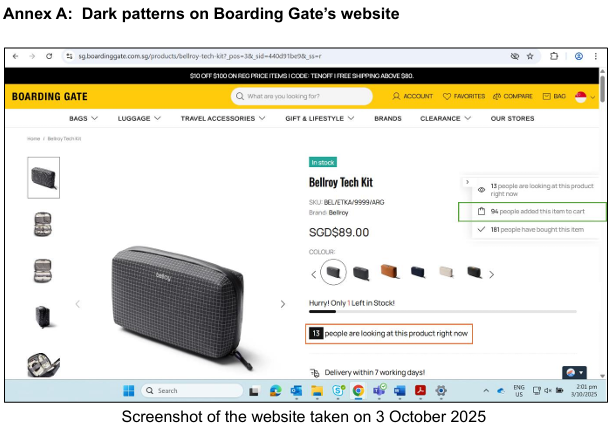
The first retailer showed messages like “XX people are looking at this product right now” and “XX people added this item to cart”. When investigators examined the site’s source code, however, they discovered those numbers were randomly generated. There was no evidence to support the supposed activity.
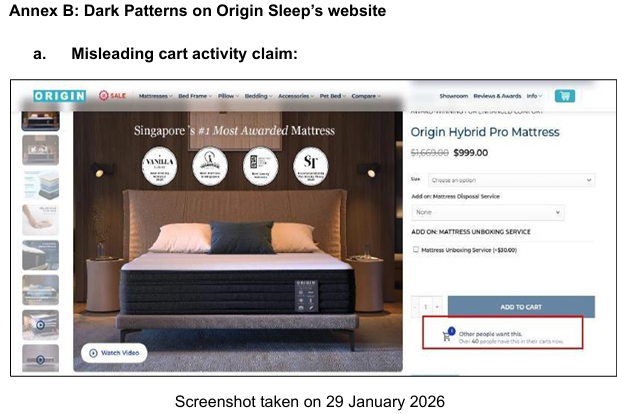
Another mattress retailer took a similar approach. Its pages included claims that “Other people want this. XX people have this in their carts now” – again, without any real‑time data to back them up. The checkout process featured countdown timers warning that an order was reserved for a limited period, implying that the deal would disappear if the customer didn’t act quickly. In practice, those timers had no bearing on product availability or whether someone could still complete a purchase.
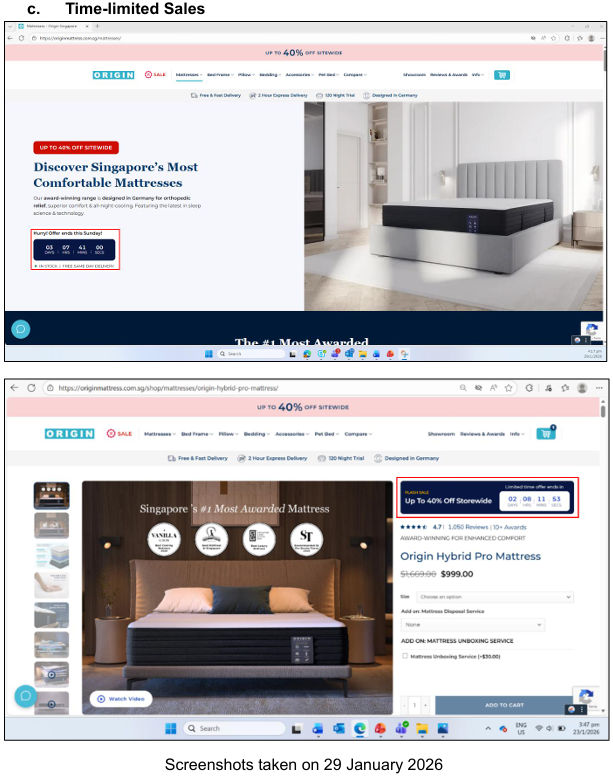
The same company also ran what looked like a time‑limited “Flash Sale”, offering up to 40% off. But investigators found that the promotion continued for nearly two years under rotating names: a “Valentine’s Day Sale”, and so on. The supposed urgency was a facade.
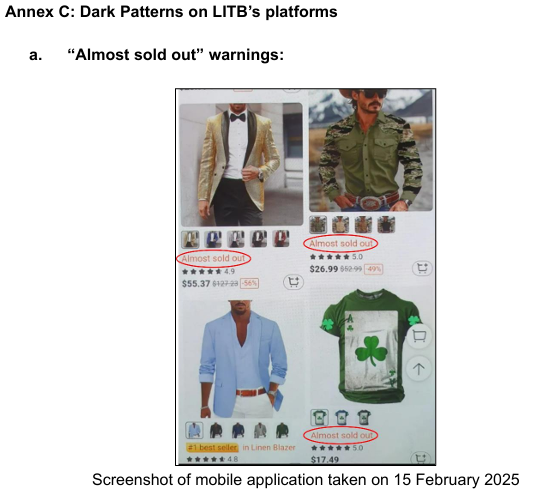
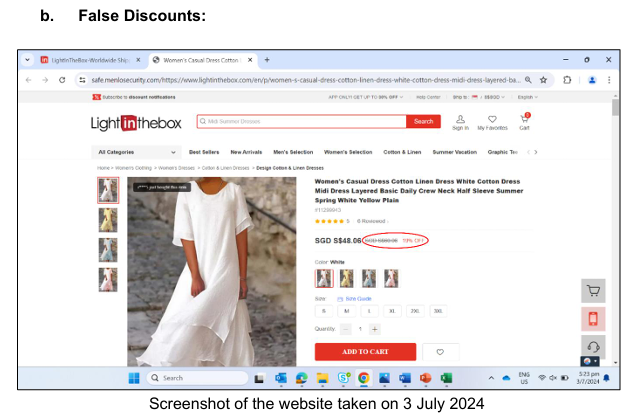
A third retailer operated on a made‑to‑order model, meaning it held little or no standing inventory. Yet its website displayed “Almost sold out” warnings on products – labels that were applied randomly for promotional effect. The company also showed discounted prices alongside higher “original” prices that had never actually been charged, creating a false impression of savings.
When questioned, one retailer argued that its website design came from a pre‑made template purchased overseas. Singapore’s consumer watchdog made it clear: businesses cannot wash their hands of responsibility just because they bought a third‑party template. The obligation to treat consumers fairly rests with the retailer itself.
The head of the regulator noted that such tactics are “insidious” because they are hard to detect and can quietly erode trust in digital shopping. He added that the authority will continue to take firm action to protect consumers and honest businesses from those who choose to compete unfairly.
All three companies have now given formal undertakings to stop the misleading practices and avoid them in the future. One has also removed false claims from its Singapore‑facing and European‑facing websites and mobile app.
The case is a reminder that not every “hurry” message is genuine. If you spot pressure tactics that seem too aggressive, you can report them to the local consumer association. And the next time you see a countdown timer, it might be worth asking: is the clock real, or just part of the script?