Empowering Micro Businesses: An Interview with Mr. Soon Rong Haur of Bayarlah

In a recent interview during Singapore FinTech Festival 2025, we sat down with Mr. Soon Rong Haur, Head of Sales at Beez Fintech Sdn Bhd, the company behind Bayarlah, a Malaysia-based payment solutions provider targeting micro businesses. The conversation highlighted how Bayarlah bridges the digital gap for small-scale entrepreneurs, from home-based operations to weekend market stalls. Mr. Soon shared practical insights on adoption, security, cross-border payments, and tips for cashless transitions.
Empowering Micro Businesses: Insights from Bayarlah’s Head of Sales
Mr. Soon introduced Bayarlah as a focused solution for the often-overlooked micro business segment. He said that the company provides payment solutions aimed at micro businesses; if you look at the business pyramid, you have key account enterprises, then mid-market, SMEs, and one level down are micros, consisting of home-based, event-based, or part-time operations. He noted that these businesses rarely access digital tools for managing costs, operations, or finances, and Bayarlah fills that market gap in Malaysia. Merchants in morning and night markets still rely heavily on cash, handling everything from orders to delivery themselves, but Bayarlah’s fast onboarding and portable sound box device change that. He explained that as long as there’s internet, merchants can sign up immediately, get approved within days, and use the e-wallet-based sound box, which lasts one and a half days on a full charge depending on usage; it eliminates cash, with money going straight into accounts.
Differentiation from competitors came up early. Mr. Soon emphasized that Bayarlah avoids competing with full-service providers offering credit cards and complex schemes; instead, it solves specific problems for micros, who face barriers like extensive documentation or bank account requirements with bigger players. Many micro merchants operate as individuals without registered entities, and Bayarlah accommodates them with slightly more documents while complying with Bank Negara Malaysia regulations. Payments go directly to their bank accounts, keeping it simple.
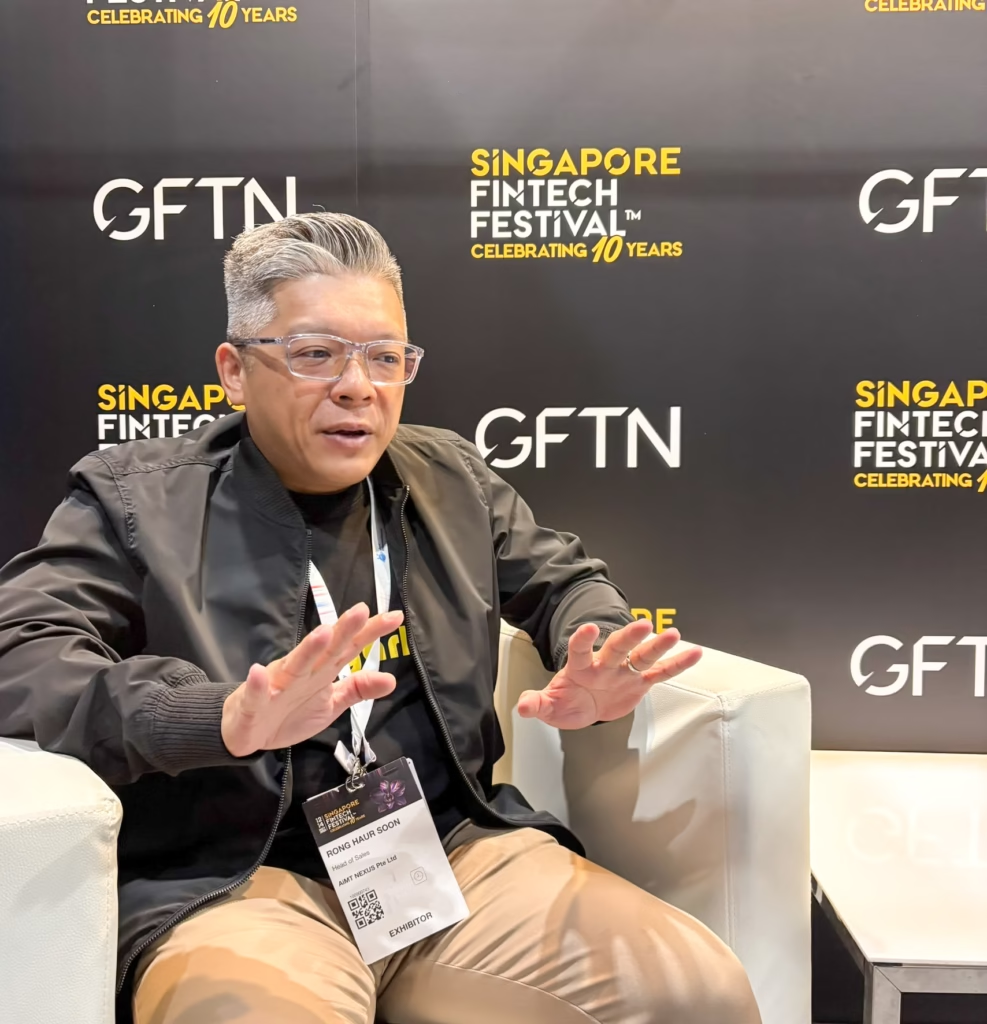
On fraud prevention, Mr. Soon detailed strict compliance. He said that Bank Negara Malaysia requires yearly cyber security trainings from certified agencies, submissions to backlink SS, and audits with reports every three months; the platform connects to DuitNow for transactions, undergoes separate financial compliance checks, and is hosted on secure Alibaba Cloud with additional protections. The same basic platform runs in different countries under unrelated companies, prioritizing security for users and merchants.
We asked about hurdles in switching to digital. Mr. Soon acknowledged that younger merchants are tech-savvy, but middle-aged or older ones need guidance; the sales and support teams assist via calls, texts, or in-person visits, ensuring quick adaptation without complexity.
Bayarlah’s single QR model stands out for speed and human touch. Mr. Soon said that onboarding is fast with minimal red tape, similar to submitting bank documents for a car or house loan; a sales representative always calls, or visits if needed, building relationships where merchants treat reps like friends, and support extends beyond sales.
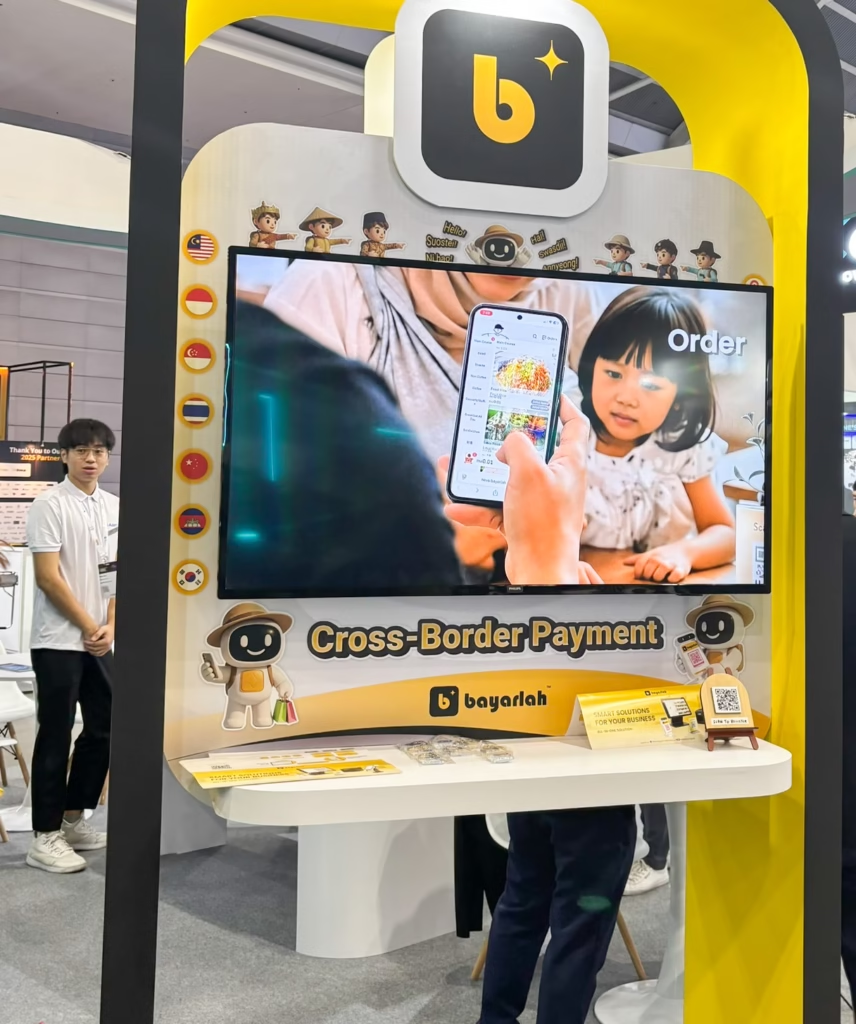
Cross-border capabilities via DuitNow enable seamless international scans. For a Chinese tourist using Alipay, Mr. Soon explained that everything connects through DuitNow to networks like China’s; exchange rates handle in the app, and tourists often ask first if they can pay with Alipay or WeChat, delighting when yes. Similar flows work for Singapore’s PayNow, benefiting consumers and businesses, with plans for more countries.
Barriers to overseas payments include mindset shifts from traditional banking. Mr. Soon observed that options now span digital banks, e-wallets, and emerging cryptocurrencies, increasing competition and consumer choices; seamless collaborations could ease access.
Future evolution might include more modes. Mr. Soon said that QR networks depend on DuitNow currently, but crypto discussions are ongoing as some countries regulate it differently; Bayarlah remains open to value-add services solving merchant problems, viewing solutions to crises as business opportunities.
Merchant feedback surprises with rapid upselling requests. Mr. Soon shared that new users ask within three months for additions like NFC or credit cards; demand drives decisions, as low percentages don’t justify yet, focusing on core e-wallet needs.
Transaction fees are fair, not the lowest. Mr. Soon believed they enable win-win situations, covering automations, reporting, and a leading merchant portal and app; Bayarlah positions as a startup sparking a movement in digital payments for micros, where others avoided the segment.
Wrapping up, Mr. Soon offered three tips for small business owners upgrading to cashless via platforms like Bayarlah: avoid cash to save time on banking and deposits, potentially one hour daily; enjoy security and traceability in bank accounts for easy finance management; leverage portability and mobility to test locations and grow without being stuck. He stressed that fees trade for tools managing business and financials effectively.
This interview underscores Bayarlah’s role in making digital payments accessible, secure, and practical for Malaysia’s micro entrepreneurs.