
Real-World Review: Jabra Evolve3 75 vs 85 – Comfort, Quirks, and Sound
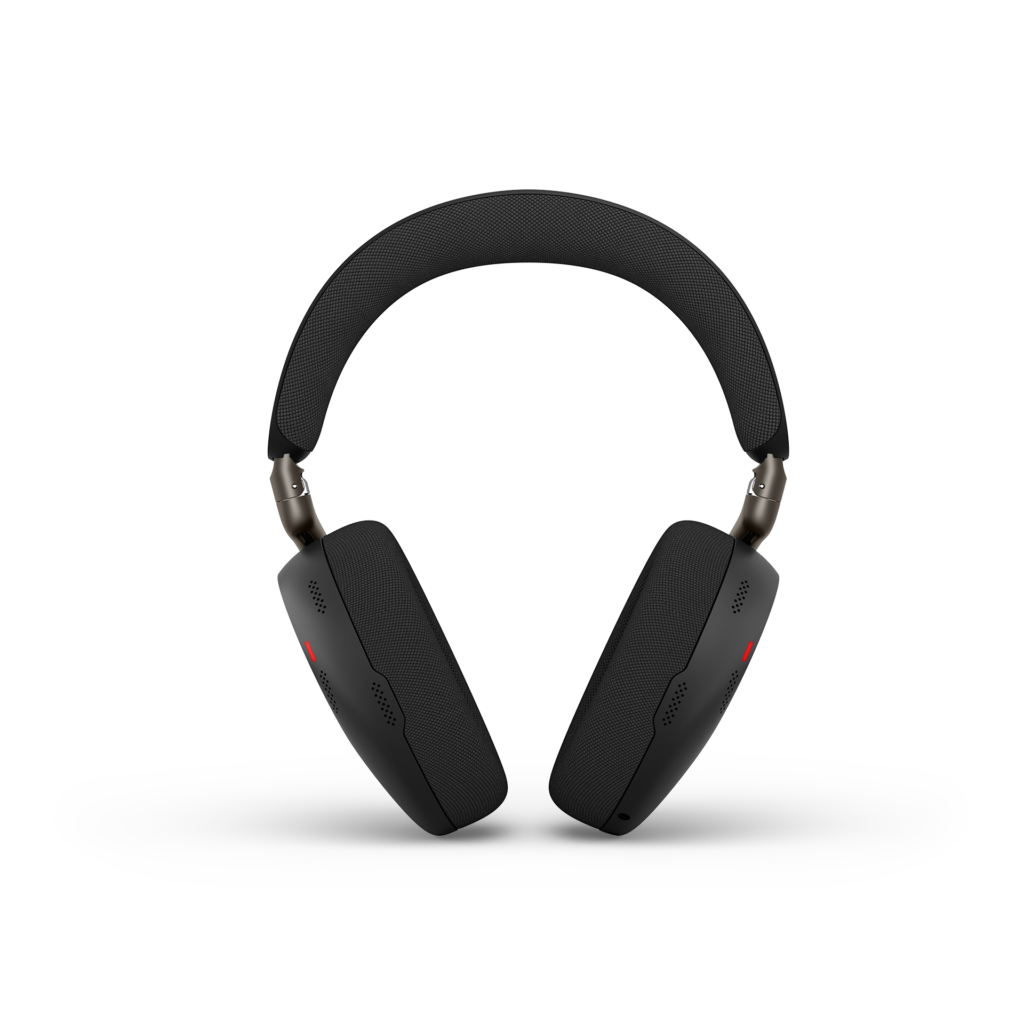
Jabra’s new Evolve3 series has arrived in Singapore, and the boom mic is now a thing of the past. But tech specs can’t show how these feels at 3 PM when your ears tire. They also can’t explain what happens when your laptop’s Bluetooth is older than the headset. Here is the real experience of living with the on-ear Evolve3 75 and the over-ear Evolve3 85.
The Bluetooth 5.3 Headache
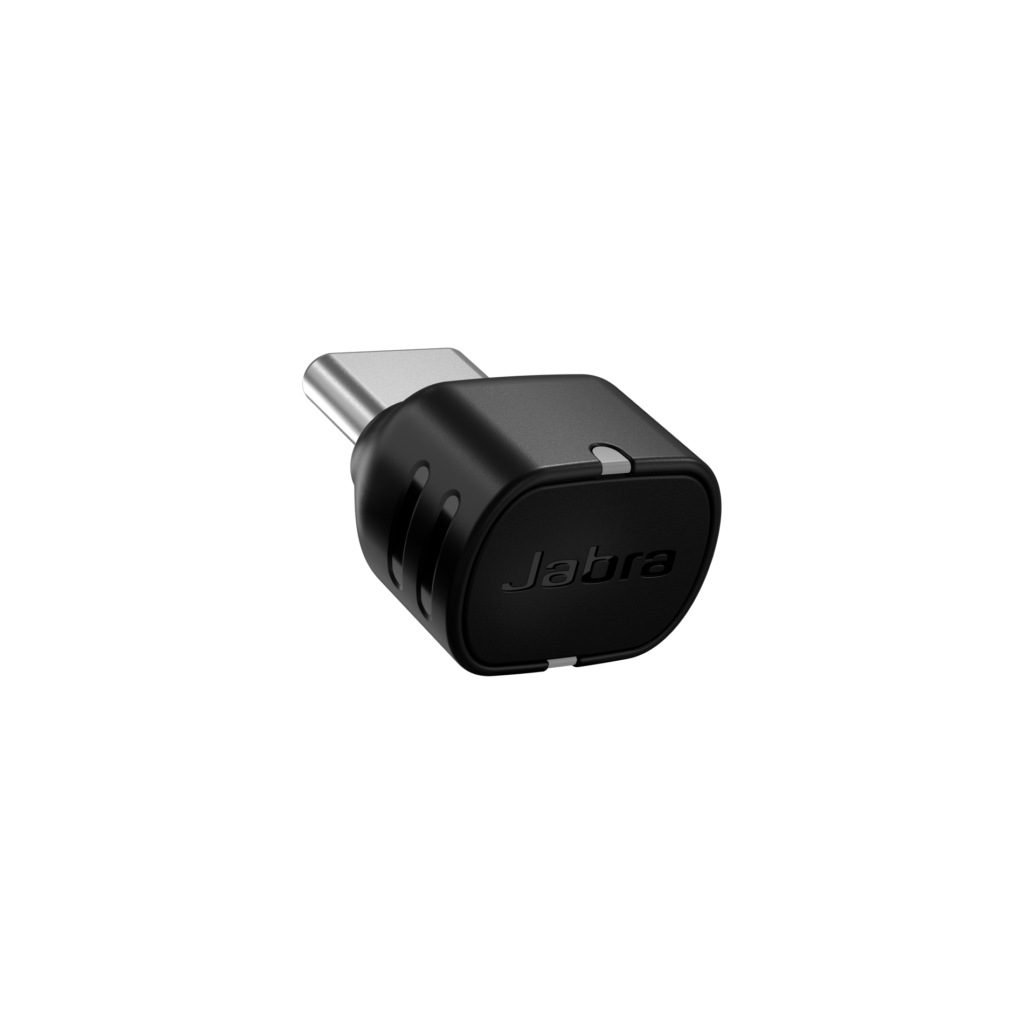
Both headsets demand Bluetooth 5.3. If your PC is stuck on 5.2 – like the PC used for review (a Feb’2025 Lenovo AIO F0HM0024ST) – prepare for a frustrating loop of connect, detect, and disconnect. The supplied Jabra Link 390 adapter solves this, but it is locked to the specific headset it came with. You cannot swap it freely between the 75 and the 85 without re-pairing complexities. Treat it like a dedicated companion.
The ANC Hiccup
There is an intermittent issue where the headphones unexpectedly produce a jarring ‘brr’ noise during music playback in noisy surroundings. This happens even when ANC is manually selected, and crucially, there is no accompanying voice announcement – which normally occurs when a mode is switched manually or via the app. This suggests the issue is not a real mode change, but rather the noise‑detection algorithm lagging as it attempts to process complex ambient sounds. In quieter environments or during calls, it behaves perfectly. It is not a dealbreaker, as call quality remains flawless, but it is a noticeable quirk during extended music sessions.
Battery Life That Keeps Going
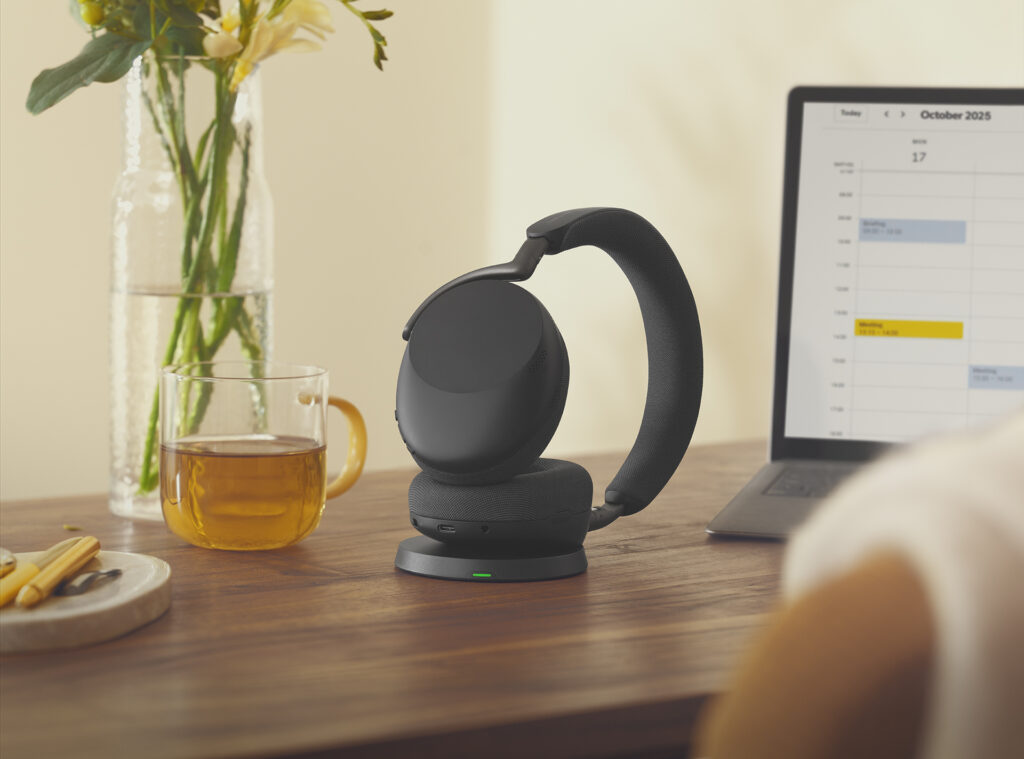
On a single charge, you are looking at many days of use. Three days is realistic if you are not wearing them overnight – discounting eight hours of sleep and three to four hours of mealtimes. The 75 offers 22 hours of talk time, while the 85 stretches to 25 hours. Music playback lasts even longer, so charging becomes an afterthought.
The Real Difference: Comfort and Sound
The 75 is a lightweight champion at 180g. The on-ear pads don’t fully cover your ears. This lets you rest your head on a pillow comfortably, without needing to adjust the headphones. It is a subtle win for anyone who wears their headset everywhere.
The 85 is a different animal. The pads cover your ears, but they are not the massive, clampy studio cans you might expect from a “full over-ear” label. They are large enough to create a seal, but they eliminate any chance of pillow-friendly lounging – you simply cannot lean back comfortably. This bigger cup, however, gives music a richer, more full-bodied presence, even though the speaker size is identical to the 75’s. If Jabra offered a true full over-ear, the audio might be even better, but the 85 already delivers a noticeable upgrade for music.
The Missing App
There is no dedicated Windows 11 desktop app available yet. If you want to tweak sound profiles, you are forced to reach for the Jabra Plus mobile app. For a work headset aimed at professionals, this feels like a notable oversight. There will be a desktop software application for individuals to customize their listening experience and for IT Admins to manage Jabra devices, targeted in the second half of 2026. Jabra Plus | Enhance Your Audio Experience with Advanced Software Solutions
The Verdict
Choose the 75 if you value portability, lightness, and the ability to wear them anywhere – including in bed. Choose the 85 if you crave better music quality and do not mind the bulk or the pillow restriction. Both deliver crystal-clear calls and solid battery life. However, it’s their real-world comfort and unique quirks that will ultimately guide your choice.