Scalable Thermal Tech: Boosting Efficiency with Multiscale Structures
Scalable Multiscale Structures: The Future of Energy-Efficient Thermal Technologies
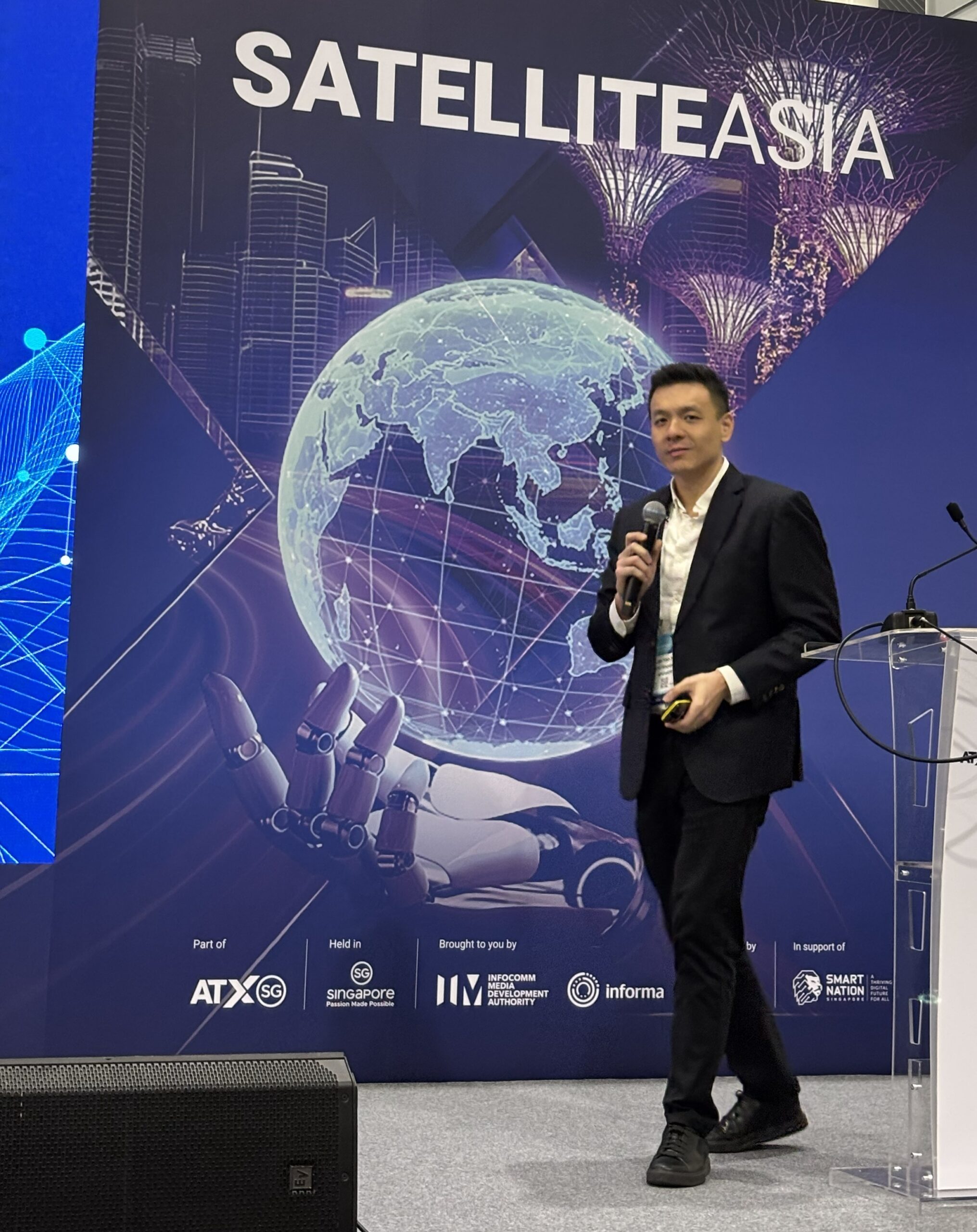
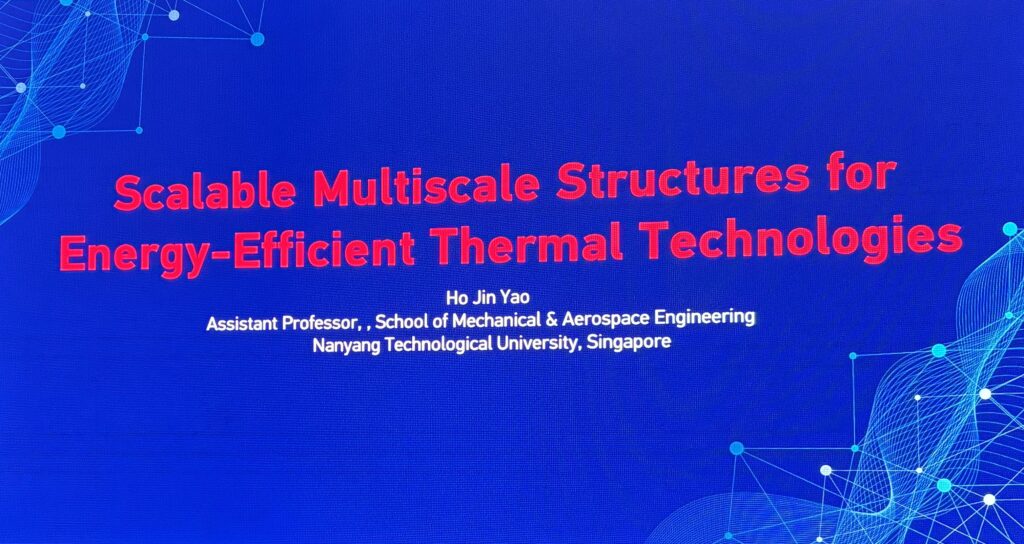
At the Asia Tech x Singapore 2026 NTU Innovation Day, Associate Professor Jin Yao Ho from the School of Mechanical and Aerospace Engineering presented a breakthrough in thermal management. By utilising advanced manufacturing and surface micro-nano fabrication, his research group is transforming how we manage heat through phase-change processes.
The Power of Surface Structuring
Traditional cooling methods are often divided into single-phase cooling and phase-change heat transfer, such as boiling and condensation. Professor Ho’s research focuses on tailoring surface features from micro- to nano-scales to control these phenomena.
By adjusting surface chemistry and structures, the team can significantly intensify interfacial phenomena. This approach is scalable, bridging the gap between fundamental transport mechanisms and real-world engineering applications like data centres and battery cooling.
Enhancing Immersion and Direct-to-Chip Cooling
As electronic chips increase in heat density, the industry is moving towards immersion cooling. This involves submerging servers in non-electrically conductive dielectric fluids. Professor Ho’s team found that creating specific cavity sizes on surfaces can facilitate bubble formation, which is crucial for removing heat.
Key findings from their research include:
- Optimal Cavity Size: Structures between 3 to 8 micrometres can improve cooling efficiency by more than 300%.
- Durability: Because these structures are part of the bulk material, they remain effective for months without performance degradation.
- Pressure Drop Benefits: Microstructured surfaces in direct-to-chip cooling systems achieve higher heat transfer efficiency at a lower pressure drop, reducing the power required for pumping.
Revolving Air Conditioning and Dehumidification
Beyond electronics, this technology has profound implications for air conditioning systems. By generating structures inside the internal channels of cooling coils, the team has successfully enhanced boiling efficiency for refrigerants.
Energy Savings in HVAC
Through these maritime-scale structures, the refrigerant supply temperature can be increased from 7 degrees to 11 degrees while maintaining the same heat transfer rate. This adjustment can save approximately 11% to 12% of compressor power.
Improving Dehumidification
On the air side of heat exchangers, condensation often chokes airflow channels. Professor Ho presented two solutions:
- Superhydrophobic Coatings: These allow droplets to automatically jump off the surface.
- Superhydrophilic Coatings: these create a thin liquid film that prevents accumulation.
Tests conducted in conditions representative of Singapore’s climate showed that superhydrophilic surfaces could reduce air-side pressure drop by up to 50%, resulting in a 25% saving in fan power consumption.
The work from NTU’s School of Mechanical and Aerospace Engineering demonstrates a clear pathway to reducing global energy consumption. Through scalable fabrication strategies and multiscale structure designs, these technologies provide high-performance, durable, and efficient solutions for the next generation of thermal management.